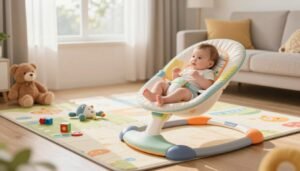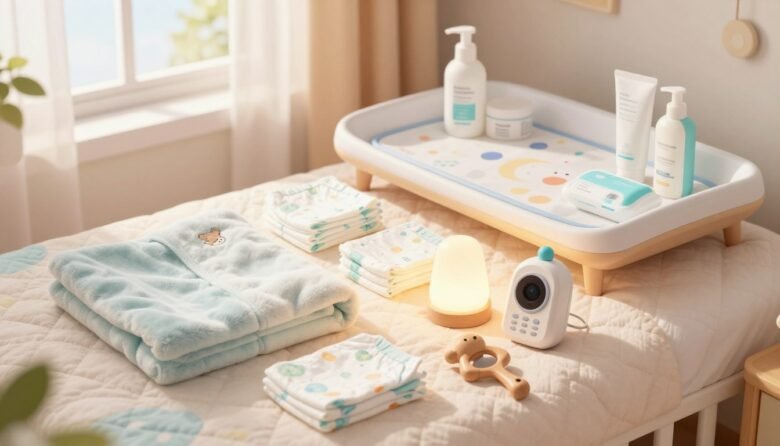
I wrote this newborn essentials checklist to save you time and money as you prepare for a new baby. I know shopping feels thrilling, but the market is full of trendy gear that rarely gets used.
As a parent, I focus on safe, functional baby essentials that last through the first months of life. I’ll help you spot which baby items matter and which things end up unused.
When you build your baby registry, prioritize items with clear purpose over high-tech gadgets. Simple choices like a reliable car seat, a good bassinet, and a few soft outfits will carry you farther than flashy extras.
My goal is to give you a clear roadmap so you know what you’ll need before your little one arrives. Use this guide to make a practical baby registry and avoid overbuying.
Understanding Your Newborn Essentials Checklist
Getting a clear list of what to buy makes the weeks before baby easier and less stressful. I recommend starting with a simple plan that lists core gear you’ll use every day.
Use a digital list so you can track progress from any device. Babylist offers an interactive tool that shows what you’ve added and lets you import other registries. That keeps items from multiple stores in one place.
Every parent’s needs differ, so tailor your registry to your home and routine. Focus on products that support feeding, sleeping, and safe travel during the first months.
- Keep the list focused on practical items rather than trendy extras.
- Update your registry often to avoid duplicate gifts.
- Prioritize items you’ll use daily over one-time gadgets.
Preparing for the Arrival of Your Baby
Preparing for your baby’s arrival means more than choosing paint — it’s about planning the supplies you’ll actually use each day.
Start early so you have time to compare brands and avoid last-minute shopping. Check with your hospital to learn what they provide; that can remove some items from your list and save money.
I recommend creating a simple master list of the things you’ll need. Ask friends and family about gently used gear; many items like a crib mattress cover or a bassinet frame have long lives and lower the cost of baby essentials.
Focus first on a safe place to sleep and easy feeding options. Make sure you know what you’ll need for the first 24 hours and for the day-to-day routine that follows.
- Early planning reduces stress on arrival.
- Confirm hospital provisions before you buy.
- Use a short master list and refine by space and budget.
Essential Wardrobe Items for Infants
Keeping your infant’s wardrobe streamlined saves time and money during the early months. I focus on a few practical pieces that handle most daily needs.
Onesies and Pajamas
I recommend six to ten onesies and pajamas so you can go a few days between laundry loads. Soft, breathable fabrics make diaper changes faster and keep skin calm.
Seasonal Clothing
Think about the season when you buy sweaters or jackets. Babies grow quickly; many newborn sizes fit only for a few months, so choose layers over heavy investments.
Socks and Mittens
Keep a few pairs of socks and mittens on hand. These small pieces are easy to lose, and extras help after spit-ups or quick outfit changes.
- Six to ten daily onesies and pajamas is a good starting point.
- Match outer layers to the season and plan for growth over the first months.
- Stock a few spare baby items like socks and mittens for quick swaps.
- Prioritize soft, breathable clothing that is easy to wash and change.
Creating a Safe Nursery Environment
A safe nursery begins with practical choices that reduce risk and support restful sleep. I focus on the core baby items that matter most and avoid clutter that can hide hazards.
Crib safety standards
Choose a crib that meets current U.S. safety rules. Crib slats must be no more than 2 3/8 inches (60 millimeters) apart to prevent head entrapment.
Always confirm the mattress model matches your crib frame. A snug fit prevents gaps that could trap a small limb or head.
Bedding requirements
Use a firm, fitted mattress with no gaps between the mattress and the crib walls. That helps your infant sleep safely and reduces suffocation risk.
- I recommend at least two fitted sheets and two mattress protectors for quick changes.
- Avoid loose blankets, pillows, and bumper pads in the crib; these increase danger.
- Consider a wearable swaddle instead of loose blankets to keep your baby warm through the night.
- Keep the room minimalist: fewer items means fewer hazards and easier cleaning.
Following these simple rules makes the nursery safer and keeps sleep routines predictable. I treat safety as the top priority when selecting newborn essentials.
Must-Have Diapering Supplies
Diapering is one of the busiest parts of early parenting, so a smart setup saves a lot of time. I recommend planning for about 10 to 12 diaper changes a day when your baby is tiny.
Stock at least two to three large boxes of diapers to avoid constant shopping. Keep two large tubes of diaper rash cream on hand to protect delicate skin and treat irritation quickly.
Unscented wipes are a must. Buy two to three large boxes and choose fragrance-free options to reduce the chance of a rash.
- Use a simple bag or tote as your bag instead of an expensive diaper-only model.
- Store all diapering supplies in one central spot to speed up changing time.
- Having a good stash of diapers and wipes saves late-night trips and stress.
Navigating Feeding Options and Gear
Feeding your baby is where routine and gear meet — small choices make daily life much easier.
Breastfeeding Support
If you plan to breastfeed, stock a few helpful items in your baby registry. Nipple cream and nursing pads make the first weeks more comfortable.
I also recommend a reliable breast pump so you can share feeding duties. Keep a comfortable chair nearby; feeding is a key time to bond.
Bottle Feeding Basics
For bottle feeding, aim for eight to ten bottles and compatible nipples so a clean set is always ready. Babies can prefer certain shapes, so try a couple of brands before you buy in bulk.
- Whether breast or bottle, the right baby gear makes feeding smoother.
- Keep a bottle brush on hand to clean all the nooks and crannies.
- If using formula, store a few containers but watch expiration dates.
- Don’t overstock one brand until you know your baby’s preference.
- Make feeding comfortable with a chair and a small side table within reach of your hand.
Selecting the Right Playtime Toys
A small, well-chosen toy rotation saves space and boosts your baby’s development. I recommend a few bright, soft items that stimulate sight and touch without overwhelming your space.
Newborns do not need high-tech gadgets. They respond best to colorful rattles, high-contrast board books, and soft stuffed animals during tummy time.
You will likely receive a lot of gifts, so don’t feel pressured to add many items to your registry right away. Start with a short list and test what your baby prefers.
- Choose safe toys without small parts to avoid choking hazards.
- Include rattles, board books with bold patterns, and a soft animal for comfort.
- Use a mirror or a simple play gym to keep your baby entertained while you take a short break.
- Rotate toys every few weeks to keep interest and support new skills.
Remember, the best toys encourage interaction and exploration. I focus on low-tech, engaging choices that help babies learn through play.
Important Health and First Aid Supplies
A compact first aid kit gives you confidence during those unpredictable first months. I keep one near the nursery and another for the diaper bag so items are easy to reach when I need them.
Essential First Aid Kit Components
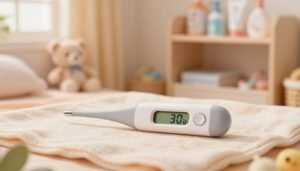
Start with a reliable rectal thermometer. For a newborn baby, a rectal reading is the most accurate way to check temperature and decide if you should call the pediatrician.
- Rectal thermometer (accurate core readings) and extra batteries.
- Baby nail clippers and round-tipped scissors to safely trim tiny nails.
- Nasal aspirator or bulb syringe to clear congestion quickly.
- Antiseptic wipes, adhesive bandages, and a small tube of pediatric ointment.
- Include a brief instruction sheet and your pediatrician’s contact info.
You can buy a pediatric first aid kit or build your own with these supplies. I recommend labeling the kit and storing it in one easy-to-find spot so you act fast in an emergency.
Always check with your pediatrician before using tools you’re unsure about. They can show proper technique for the thermometer, clippers, and aspirator so you feel confident caring for your baby essentials.
Choosing the Best Infant Car Seat
I recommend a new, rear-facing car seat as the first car purchase for your baby. Buy new because you cannot verify a used seat’s history or whether it was in an accident.
Always replace a car seat if it has been involved in any crash. Even a minor collision can weaken structural parts you cannot see.
I look for models that are easy to install and fit my vehicle securely. Many parents prefer a bucket-style seat because it clicks into stroller bases and makes short trips easier.
- Make sure your baby is properly buckled on every trip, no matter how short.
- Follow the manufacturer’s instructions for installation and harnessing at all times.
- Research several brands and test-fit seats in your car before you buy.
- Never buy a used car seat — its safety history may be unknown.
Choosing the right seat is one of the most critical items on your list. Proper selection and use keep your infant safer during every ride.
Finding a Stroller That Fits Your Lifestyle
An ideal stroller balances comfort for your little one with convenience for your life. I focus on how a stroller will actually perform during daily use.
Think about where you will spend most of your time. If you live in a city, an ultra-portable model that folds small may be best. For parks and trails, an all-terrain stroller gives a smoother ride.
I always recommend testing strollers in person. Push each model, fold it, and check how it fits in your trunk. Confirm car seat compatibility if you plan to use one-click systems.
- Choose comfort for the baby and easy handling for you.
- Consider a lightweight option for quick trips and errands.
- Read reviews and compare features before you buy these items.
- Look for a model that pairs with your car seat to save time on outings.
No single stroller is perfect for every family. Pick the one that matches your routine, commuting needs, and the baby gear you already own.
Items You Can Safely Skip
I often tell parents that less gear can mean more calm during those early months. You don’t need every product on a registry to care well for your baby.
Nursery Furniture to Avoid
A dedicated diaper changing table takes up space and offers little extra function. A simple changing pad on a dresser or bed works just as well for changing.
Skip specialty furniture like a matching changing set. The crib and a couple of storage bins cover the basics for clothes and baby items.
Unnecessary Bathing Gadgets
Many families skip a baby tub and wash their infant safely in the sink or regular tub. You can use a towel and your hands instead of lots of niche products.
Wipe warmers and bottle warmers are rarely needed and can cause more hassle than help. A room-temperature bottle or a quick warm water bath works fine.
- Avoid a diaper pail and extra diaper-specific furniture.
- Don’t buy too many clothes in newborn sizes — they fit for a short time.
- Use a regular tote or backpack instead of a dedicated diaper bag.
Managing Your Baby Registry Effectively
Managing a baby registry is a simple habit that pays off in less stress and smarter purchases. I keep my list current so friends know what I still need and avoid duplicates.
Import items from other stores into one main registry to keep baby items in a single place. That makes tracking orders and gifts easier when the due date approaches.
Review your list often to confirm you have core gear like a crib and enough clothes. Check that you’ve included a few diaper options, varied price points, and items that fit your daily routine.
- Update the list so guests see what’s still needed and what you’ve already secured.
- Include gifts at different price ranges so shoppers can choose comfortably.
- Use the registry as a progress tool to plan purchases and know what you’ll need next.
Tips for Second-Hand Gear and Safety
Accepting hand-me-downs can cut costs, but some products are better bought new for peace of mind.
I always accept gently used clothing, toys, and decor from trusted friends or family. Those things save money and still feel personal.
Avoid used cribs and car seats. Both may have hidden damage or miss current safety updates. As a parent, I wouldn’t risk your baby’s safety on an unknown history.
- Inspect any second-hand item for cracks, loose parts, stains, or recalled components.
- Shop for blankets, lamps, and nursery decor used — they are low risk and easy to clean.
- Check local groups or ask your support system for free or low-cost supplies before you buy.
- When in doubt, buy new for safety-critical gear; peace of mind is worth the extra cost.
By being selective, you can build a safe, affordable mix of baby essentials that fits your budget and keeps your child safe.
Preparing for Your First Day Out
Your first outing can feel big, but a calm plan makes it manageable. I prepare my bag the night before so mornings are less frantic and I can focus on the baby.
Pack enough diapers, wipes, and a spare outfit to handle any messes. Include an extra sweater or blanket in case the weather changes and your little one needs warmth.
I keep a short checklist tucked into the bag to quickly confirm items before we leave. That small step saves time and reduces the chance of forgetting essentials during the day.
- Pack the diaper, wipes, and a change of clothes the night before.
- Start with a short trip—like quick shopping—to build confidence.
- Focus on your baby’s comfort and go at your own pace.
Expect imperfect outings; each trip teaches you faster packing and better routines. After a few short days out, you’ll find a rhythm that fits your life.
Listening to Your Baby Needs
Listening closely to your baby’s cues helps you shape daily routines that actually work. I watch for feeding, fussing, and quiet moments to learn what my child prefers.
Items on a registry are a helpful starting point, but babies sometimes prefer different bottles, toys, or sleeping setups. Be ready to swap or return things when you discover what fits your family.
Sleep patterns change fast during the first year. I pay attention to timing and signs of tiredness rather than sticking to a strict clock. That flexibility makes life calmer and sleep more reliable over time.
- Watch and respond to cues instead of forcing a rigid plan.
- Adjust gear and routines when something clearly works better.
- Trust your instincts; being attentive builds confidence.
There’s no perfect plan. By staying flexible and observing, you’ll learn what helps your baby thrive and what makes family life easier. I promise it gets more natural with time.
Conclusion
Smart planning and a focus on safety free you to enjoy the small moments with your baby. I recommend choosing a few reliable items and skipping flashy gadgets that add clutter.
Your registry can guide friends and family, but your observations will tell you what truly works. Stay flexible — feeding, sleep, and routines change fast, and you will adapt as you go.
Prioritize safe travel and nursery gear, ask for help when you need it, and keep choices simple. With a practical approach, you can relax and focus on bonding during this special time.

Dad. Engineer. Survivor of the first year. I’m James Calloway, and my daughter Claire is the reason I started writing. When she was born, I went looking for honest content written for dads — not parenting manuals, not diaper commercials, not advice from people who seem to have forgotten how hard the first year actually is. I didn’t find much. So I wrote it myself. The Dad Year is everything I wish someone had told me before that first night home. No expertise, no credentials — just a dad who took notes.