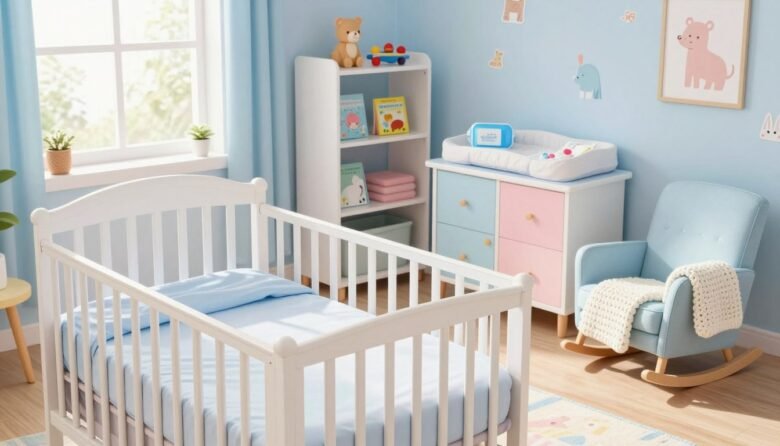
I believe planning this room will be an exciting stage in my life, not a stressful chore. I want the space to support our newborn and make daily life easier for parents.
When I begin, I focus on simple design and honest decor choices. Small, useful things often matter more than trends. I recommend spending time building a layout that fits our routine and reflects my style.
Many parents say planning the room is one of the most rewarding parts before arrival. For me, setting nursery foundations is a hands-on way to prepare for a new role and enjoy the process.
Later sections will cover practical lists and quick steps, including one checklist titled “how to set up baby nursery” for easy reference.
Why Intentional Nursery Design Matters
I want the room to work long after the first year, so I focus on choices that grow with our child. Brittany Hakimfar of Far Studio stresses picking furniture that will still appeal as the child ages. That makes changes fewer and life easier for the family.
Ryann Swan Hackett from Ryann Swan Design reminds me that a caring design also comforts parents during late-night feeding. A calm room reduces stress and supports better sleep for both parent and newborn.
- Choose versatile furniture that suits a toddler as well as an infant.
- Create a dedicated space for rest and feeding to help healthy sleep habits.
- Design with function in mind so everyday things are simple and reachable.
When I plan this room with intention, the space stays useful across stages of child growth. One clear goal guides me: provide a comfortable room that supports family life and daily routines.
How to Set Up Baby Nursery Spaces Effectively
I start planning the room with a clear timeline so tasks don’t pile up in the final weeks. Child Craft recommends beginning organization during the second or third trimester, which gives me breathing room for decisions and deliveries.
Timeline for Planning
I break tasks into trimesters. In months five to seven I choose major furniture and a crib. In months eight to nine I finalize decor, storage, and the diapering station so the room is ready well before the due date.
Defining Room Zones
I map distinct zones for sleep, changing, and play. Placing the dresser and changing table in a bright spot makes diaper changes easier and safer.
- Keep diapers, wipes, and other diapering essentials in a reachable station near the changing table.
- Use a dresser or open shelves for baby clothes and quick access during the first months.
- Reserve a small play space for toys that’s visible from the feeding chair.
Selecting Essential Furniture Pieces
Choosing the right furniture shapes how the room will feel and function for many months. I focus on durable, multiuse pieces that save time and space.
Lisa Schwert of Innate Studio suggests placing a dresser with a changing top inside a closet when space is tight. I follow that advice and add a firm changing pad on top for quick diaper moments.
When I buy a crib and mattress, I pick models built to last. Sturdy construction means these essentials can serve through several stages and many months of wear.
- I choose a comfortable chair for nursing because I spend a lot of time there in early months.
- I prefer products with built-in storage so the space stays uncluttered and simple to use.
- Selecting reliable pieces like a solid crib and a roomy dresser makes daily routines smoother.
Prioritizing Safety and Accessibility
I make safety the starting point for every choice in this space. Clear rules reduce stress and keep daily care simple.
Crib Placement Guidelines
Place the crib well away from windows and any cords. A safe crib location keeps your child secure while they sleep and lowers risk from drafts or blind cords.
Securing Heavy Furniture
Anchor dressers and bookshelves to the wall. This prevents tipping accidents as your child grows and begins to explore the room over the months.
Managing Cords and Outlets
Keep electrical cords out of reach and tucked behind furniture. Use outlet covers and cord clips so curious hands cannot pull at wires near the crib or changing table.
- Store diapers and feeding essentials at a reachable station so I don’t leave the child unattended.
- Keep the changing pad clear of loose items and never leave a child alone on the table.
- Always check that the crib and furniture are in a stable place away from cords and heaters.
Creating a Soothing Atmosphere with Decor
I focus on gentle colors and layered lighting so the space supports sleep and quiet activity. A neutral furniture base keeps the room calm while small accents add personality.
I make the crib the visual anchor and use patterned bedding or a textured throw for interest. That focal point helps the room read as intentional and restful.
Wall art, a soft rug, and a few Levtex Baby products add texture and comfort. Toys that double as decor give the child familiar objects without cluttering shelves.
- Neutral furniture with accent lighting creates a peaceful space.
- Use patterns at the crib to draw the eye and enhance design.
- Choose products and textiles that invite touch and calm naps.
In short, I design a room that feels like a sanctuary. Simple decisions—soft light, soothing color, and tactile fabrics—make daily moments quieter and more restful for both of us.
Smart Organization Hacks for Daily Life
A few simple storage tricks can turn clutter into quick access for essentials. I focus on systems that save time and reduce stress during frequent changing and play sessions.
Utilizing Vertical Storage
I use wall shelves, hanging cubbies, and peg hooks to free floor space. Vertical storage keeps diapers, wipes, and small decor within reach without crowding the room.
Mount a slim shelf above the dresser for folded baby clothes. That keeps the dresser drawers for bulk items and makes changes faster.
Managing Baby Clothes and Linens
- Keep a diaper caddy at the changing table and near the changing pad so essentials are ready for quick changes.
- Add drawer organizers in the dresser for tiny outfits; sorted sections save time each morning.
- Use labeled bins for toys and seasonal items to keep the floor clear and safe for the child.
A tidy furniture layout and clear stations let me handle daily life with the baby more efficiently. Small changes now give big time savings later.
Setting Up a Functional Nursery Nook
A well-planned corner can turn overnight duties into simple, repeatable steps. I carve a small space near our bed that works for night feeds and quick changes without crowding the room.
Overnight Essentials for Room Sharing
I place the crib a few feet from my bed for safety and easy checks. That distance keeps the room safe while letting me respond quickly at night.
I keep a rolling cart stocked with diapers, a changing pad, wipes, and a small supply of feeding items. A compact dresser and a comfy chair make the nook usable for longer nights and visiting family.
- Use a sound machine between you and the infant to help steady sleep, as Taking Cara Babies suggests.
- Store toys and other things in bins so the space stays clear and cords remain out of reach.
- Choose pieces like a sturdy chair, a small dresser, and easy storage for quick access during late hours.
Final Thoughts on Your Nursery Journey
Completing the last touches feels less like a task and more like a welcome for the months ahead.
As you finish planning the baby nursery details, remember the heart of this room is love and calm. Simple decor and clear design choices matter more than trends.
You should feel proud of the space you made for your child and family. Trust the products that make daily life easier and fit your routine. I hope these tips help you feel ready and confident as you welcome your baby.

Dad. Engineer. Survivor of the first year. I’m James Calloway, and my daughter Claire is the reason I started writing. When she was born, I went looking for honest content written for dads — not parenting manuals, not diaper commercials, not advice from people who seem to have forgotten how hard the first year actually is. I didn’t find much. So I wrote it myself. The Dad Year is everything I wish someone had told me before that first night home. No expertise, no credentials — just a dad who took notes.